No products in the cart.
Return To Shop
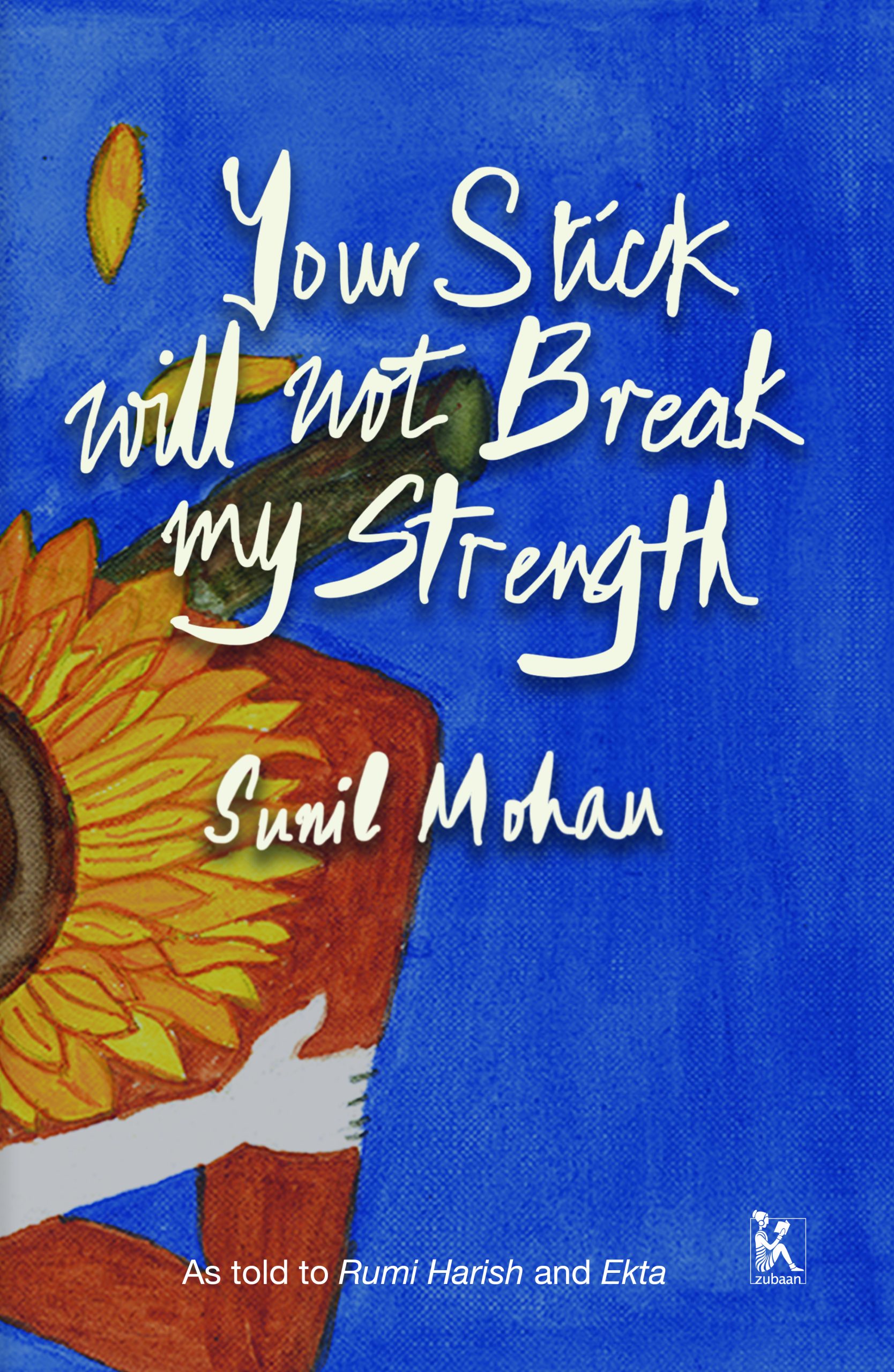
Your Stick Will Not Break My Strength
Sunil Mohan’s complex and moving memoir is more than just a story of transition. It’s a story that describes a deeply felt yearning, a certainty of knowledge about who you wish to be, and constant, fundamental and self-reflective questioning about what it means to be born into one body and inhabit an identity that is defined by a different body and a different set of ascribed and acceptable behaviour. As he makes the transition from ‘female’ to ‘male’, Sunil asks why he cannot choose to define his gender in his own way, why being ‘man’ should mean adopting a given, socially acceptable model of masculinity. ‘I was always uncomfortable,’ he says, ‘with “masculinity” even when I deeply felt I was a “man”….I was hesitant to identify with something I had critiqued so fundamentally.’
Honest, open, self-questioning and filled with courage and compassion, Sunil Mohan chooses to move away from the traditional and often linear trajectory of a life narrative. Instead, he turns the lens on the queer, trans, anti-caste, feminist and people’s movements of which he has long been a part. In doing so, he resolutely refuses to identify as a victim and thinks through and reflects on the politics of resistance, marking the learning that comes from friendships forged in struggle and commonality of identity, reflecting on the meanings of silence and offering thoughts on strategies for healing and reconciliation.
_____________________________________________________________________________________
Sunil Mohan once led the Kerala State Women’s Cricket Team as its captain. He later completed a diploma in electrical engineering and then worked with various NGOs that advocate for the rights of marginalised sexualities and genders. Sunil documented the oral histories of LGBTI people across South India as a CCDS Open Space Pune fellow, collecting videos from 24 individuals representing marginalised identities. Alongside Rumi Harish, he initiated a study on non-discrimination at Alternative Law Forum (ALF). He co-authored the report ‘Conversations on Caste Discrimination in South India,’ conducted after over 95 conversations throughout the region. Sunil identifies as a Trans Man. In 2018, he co-founded Raahi, an organisation dedicated to the rights of marginalised genders and sexualities. In 2024, he received the Kamala Bhasin Award for his contributions to gender and sexuality rights.
Rumi Harish is a musician and a social justice and human rights activist. Since 2005, he and Sunil Mohan have worked together on a number of research studies and projects. Rumi has written four play scripts and has worked as a music director for various documentary films and theatre productions. He identifies as a queer transmasculine person. He is a regular columnist for different media outlets, including previous columns in Kannada Prabha and Agni Patrika. His biography was recently written by Dadapeer Jyman, a young writer and theatre director. In 2023, Rumi received the Karnataka State Sahitya Academy Award, Sahityasree.
Ekta co-founded Maraa, a media and arts collective in Bangalore, in 2008. She works as a practitioner, researcher, curator, and facilitator on issues of gender, labour, and caste in both rural and urban contexts. Her films, such as ‘Birha’ and ‘Gumnaam Din,’ explore the inner worlds of workers in the context of migration and have been screened at international festivals. Ekta co-founded Freeda, a theatre group led by survivors of sexual violence, which tells stories on her own terms about beauty, freedom, and desire. She is also co-developing ‘Theatre for Resilience,’ a grassroots feminist movement supporting creative practitioners from rural India.
| Author | |
|---|---|
| Binding | |
| Page Count | |
| Rights | |
| Year of Publication |
You must be logged in to post a review.
Related products

Books, e-Books, Feminism In India Recommends, Feminism In India Recommends, Non-Fiction, Non-Fiction
Lady Driver: Stories of Women Behind the Wheel
Select format This product has multiple variants. The options may be chosen on the product page
Mannequin: Working Women in India’s Glamour Industry
Select format This product has multiple variants. The options may be chosen on the product page
In the Shadow of Freedom: Three Lives in Hitler’s Berlin and Gandhi’s India
Select format This product has multiple variants. The options may be chosen on the product page
Fragrance of Peace
Select format This product has multiple variants. The options may be chosen on the product page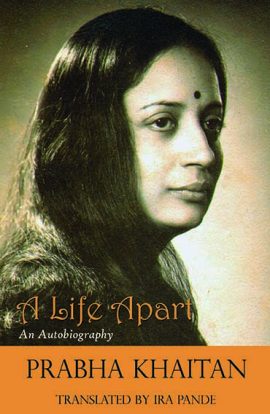
A Life Apart: An Autobiography
Select format This product has multiple variants. The options may be chosen on the product page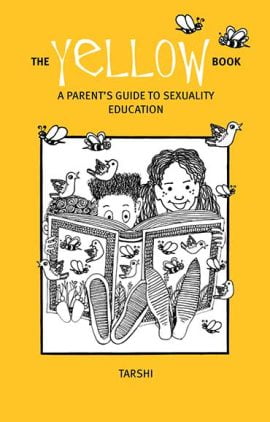
Books, Non-Fiction, Feminism In India Recommends, e-Books, Non-Fiction, Young Zubaan, Feminism In India Recommends
The Yellow Book: A Parent’s Guide to Sexuality Education
Select format This product has multiple variants. The options may be chosen on the product page
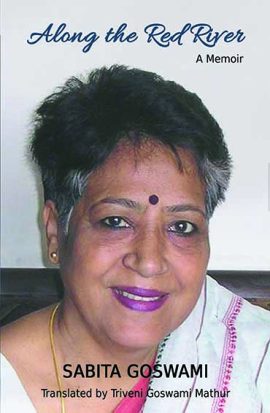
Along the Red River: A Memoir
Select format This product has multiple variants. The options may be chosen on the product page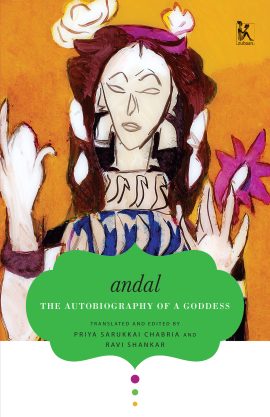
Andal: The Autobiography of a Goddess
Select format This product has multiple variants. The options may be chosen on the product page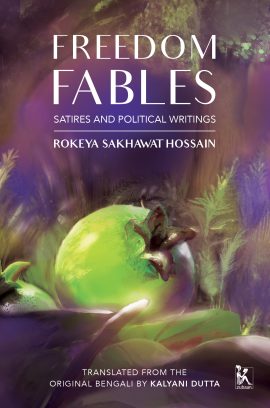
Freedom Fables: Satires and Political Writings
Select format This product has multiple variants. The options may be chosen on the product page
Your Stick Will Not Break My S...
Reviews
There are no reviews yet.