No products in the cart.
Return To Shop

Walking Out, Speaking Up: Feminist Street Theatre in India
An energetic era of feminist street theatre in India: 1979 onwards. Stunning, audacious plays vividly portray abuse, murder and everyday sexism, raise profound questions, disrupting the normative. Public performance embodies resistance, shattering the mould of docile, invisible women. Rhythms of tambourines, drums, songs fill the air, stories are enacted, insights communicated, challenging entrenched patriarchies, evoking audience response, sparking change.
A remarkable repertoire of plays unfolded across geographical and social contexts: Om Swaha, Ehsaas, Mulgi Zali Ho, Intezaar, Teri Meri Kahani, Hum Awaz Uthayeinge and hundreds more. Weaving social critique with intimate felt experience, they exposed dowry killings, sati, bigotry, sexual violence, overwork, discrimination and exploitation within families, workplaces, society and state—and showed rebellion brewing. This was a theatre of rage, pain, protest, in sync with the autonomous women’s movement of the time.
Perceptive, outspoken women emerged out of a morass of ascribed roles to carve their own identities, remake the world. Protagonists broke many silences, told precious stories, offered alternative imaginaries. Fiction merged with documentary, searing content with rich aesthetics. Pithy dialogues articulated complex ideas in familiar idioms, heralding increasingly nuanced discourse around gender, citizenship and dissent, influencing media, academia, law and policy.
Incorporating oral histories, auto-ethnography, scripts, visuals, archival material, meticulous research and multi-layered analysis, Deepti Priya Mehrotra’s carefully crafted study is an invaluable resource for understanding feminist street theatre, oppositional politics and counter-cultures in modern India.
______________________________________________________________________________________
Deepti Priya Mehrotra is a political scientist with trans-disciplinary interests. She has engaged with street theatre and the women’s movement since the late 1970s. Writing in English and Hindi, her books include Gulab Bai: the Queen of Nautanki Theatre, Home Truths: Stories of Single Mothers, Burning Bright: Irom Sharmila and the Struggle for Peace in Manipur, Her Stories: Thinkers, Workers, Rebels, Queens, Bharatiya Mahila Andolan: Kal Aaj aur Kal and Jaggi Devi: Svatantrata ki Raah Par. Deepti has taught political science, sociology, gender studies and media studies, variously at Delhi University, TISS-Mumbai, Dayalbagh Educational Institute, Agra, Ambedkar University, Delhi and the Institute of Mass Communication, Delhi. Currently, she is working on a photo archive of the autonomous women’s movement, teaching a course in educational philosophy, and collaborating with social organisations in activist, research and advisory roles. In her dissentful heart, she continues to dream of acting and singing, loudly in order to shatter the sorry scheme of things and remould it nearer to the heart’s desire.
| Author | |
|---|---|
| Binding | |
| Page Count | |
| Year of Publication | |
| Rights |
You must be logged in to post a review.
Related products
In stock

Living a Feminist Life
Select format This product has multiple variants. The options may be chosen on the product page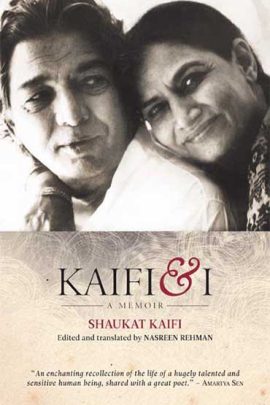
Kaifi and I: A Memoir
Select format This product has multiple variants. The options may be chosen on the product page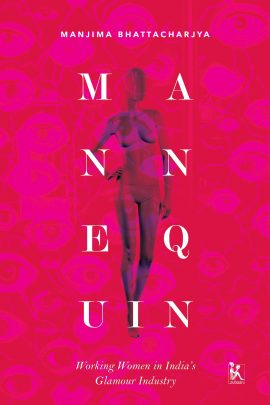
Mannequin: Working Women in India’s Glamour Industry
Select format This product has multiple variants. The options may be chosen on the product page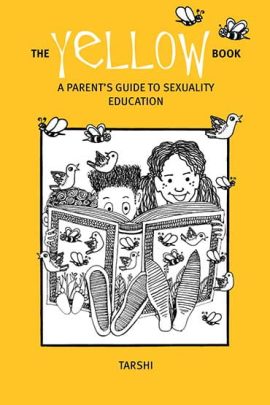
The Yellow Book: A Parent’s Guide to Sexuality Education
Select format This product has multiple variants. The options may be chosen on the product page
The Maharaja’s Household: A Daughter’s Memories of Her Father
Select format This product has multiple variants. The options may be chosen on the product pageIn stock

A Life Less Ordinary
Select format This product has multiple variants. The options may be chosen on the product pageIn stock
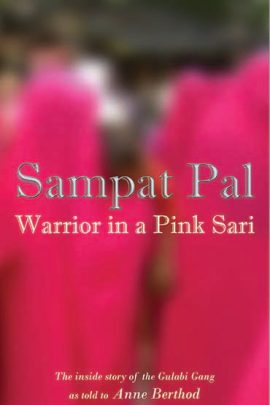
Warrior in a Pink Sari
Select format This product has multiple variants. The options may be chosen on the product page
The Many That I Am: Writings from Nagaland
Select format This product has multiple variants. The options may be chosen on the product page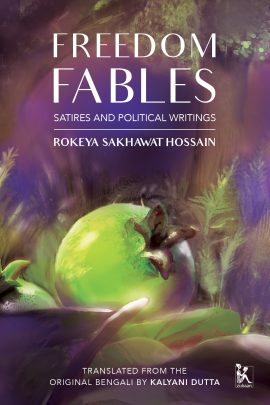
Freedom Fables: Satires and Political Writings
Select format This product has multiple variants. The options may be chosen on the product page
Reviews
There are no reviews yet.