No products in the cart.
Return To Shop
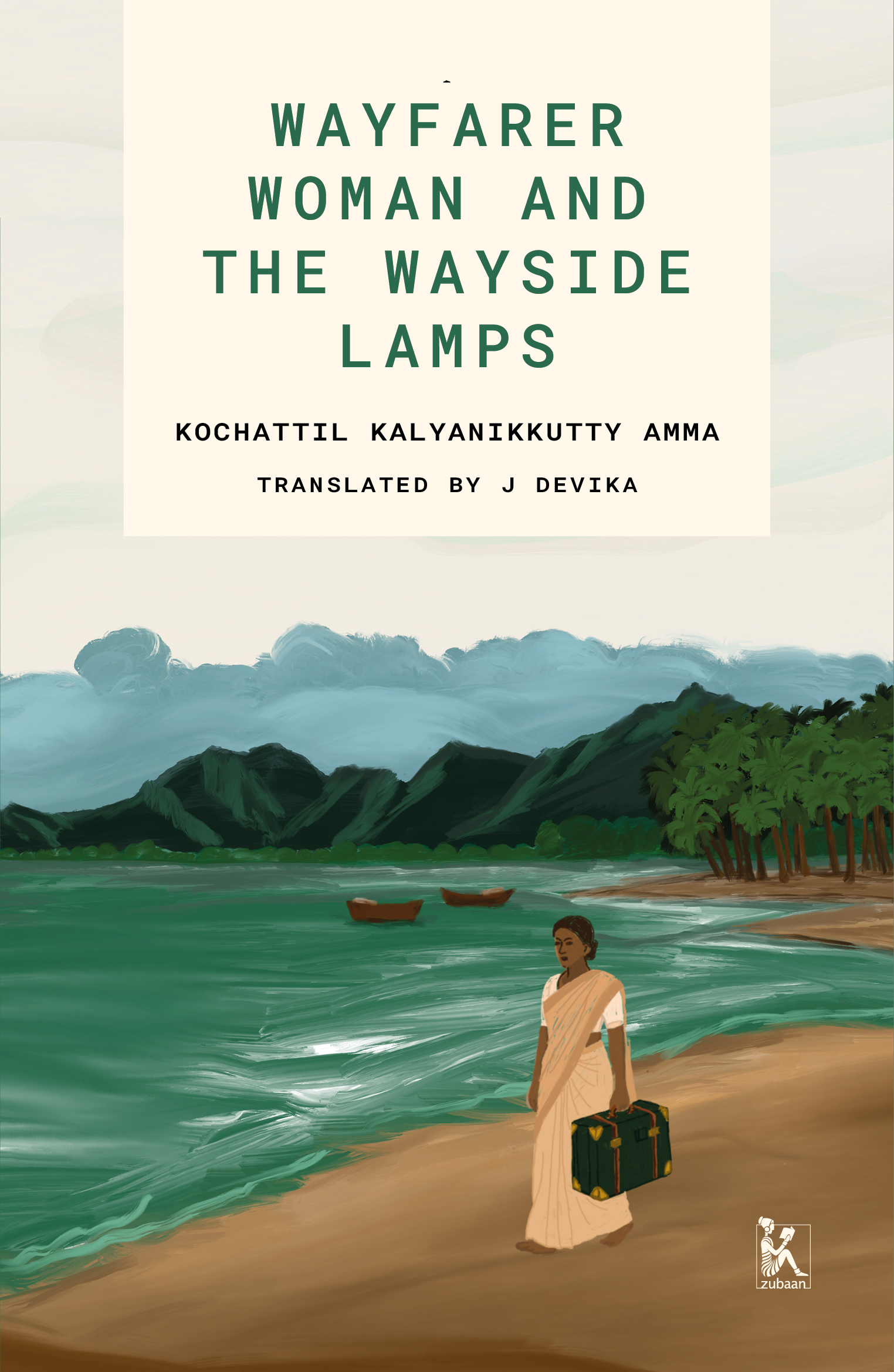
Wayfarer Woman and the Wayside Lamps
A long-forgotten figure from the history of women’s activism in early twentieth-century Malayali society, Kochattil Kalyanikkutty Amma suddenly pushed herself out of obscurity in 1993, when her autobiography, Pathikayum Vazhiyorathe Manideepangalum, won the Kerala Sahitya Akademi’s prestigious prize for the best autobiography in Malayalam. As the book so poignantly revealed, she rebelled not just against traditional restrictions but also against the stern limits to mobility of body and mindset for women in modernity—and the rebellion was lifelong. She was a staunch champion of women’s rights over their bodies and loved to travel, freely indulging in the risky business of ‘loitering’ in foreign places in India and abroad, and writing about it. She was a highly valued contributor on the Woman Question to the leading journals of her time and a much-revered and beloved teacher as well.
She paid a huge price for this unabashed embrace of freedom. She was punished, and her life and political legacy were denigrated and rendered invisible by both the left and right in post-independence Kerala. Undaunted, at the age of 83, she wrote her autobiography, self-published it, and won a coveted award. The Sahitya Akademi functions in a building that was once the courtroom where she was unfairly punished and sent to jail—knowing that the prize would be awarded there, she said that it was poetic justice.
Wayfarer Woman and the Wayside Lamps is a tribute to a feminist foremother who fought her way out of the darkness that modern patriarchy in Kerala had confined her to.
______________________________________________________________________________________
Kochattil Kalyanikkutty Amma (1907-1997) (she used her married name in public, Mrs C Kuttan Nair), though little-known today, was one of the most vocal, bold, and well-read feminists of the first-generation in Kerala. Born in the town of Thrissur as the daughter of Dr Moothedathu Krishna Menon and Kochattil Kochukutty Amma, Kalyanikkutty Amma was educated in Madras. Returning to Kochi, she became a school teacher, and was known for encouraging her girl-students to pursue independent and intellectual lives. Her early exposure to Theosophy in Madras made Amma an unapologetic cosmopolitan liberal, who actively fought the new gender conservatisms that arrived with modernity. In the 1930s, she was a vocal and much-respected feminist voice. However, her personal life was filled with tragedies and losses. Hostile kin and community ultimately left her vulnerable—as her autobiography reveals poignantly. She had to face the loss of her family home, and soon after, the strong hand of the law as well. But towards the end of her life, she fought ignominy and invisibility by writing and publishing her autobiography, which won the Kerala Sahitya Akademi’s prestigious award for the best autobiography.
J Devika is a feminist teacher, researcher, social commentator, translator and writer of children’s fiction based at the Centre for Development Studies, Kerala. Her research has been about the intertwined histories of gender, politics, development, and culture in twentieth-century Kerala. She brings to bear her training as a historian to make sense of contemporary events and developments. She writes in Malayalam and English. Among her many publications are New Lamps for Old: Gender Paradoxes of Political Decentralisation in Kerala (co-authored with Binitha V Thampi, Zubaan 2012) and Individuals, Householders, Citizens: Family Planning in Kerala (Zubaan 2008).
| Author | |
|---|---|
| Binding | |
| Page Count | |
| Year of Publication | |
| Rights |
You must be logged in to post a review.
Related products
Bina Das: A Memoir
Select format This product has multiple variants. The options may be chosen on the product pageIn stock
Picture This! Painting the Women’s Movement
Select format This product has multiple variants. The options may be chosen on the product pageIn stock
The Goddess and the Nation: Mapping Mother India
Select format This product has multiple variants. The options may be chosen on the product page
The Yellow Book: A Parent’s Guide to Sexuality Education
Select format This product has multiple variants. The options may be chosen on the product pageIn stock
A Life Less Ordinary
Select format This product has multiple variants. The options may be chosen on the product page
A Life Apart: An Autobiography
Select format This product has multiple variants. The options may be chosen on the product page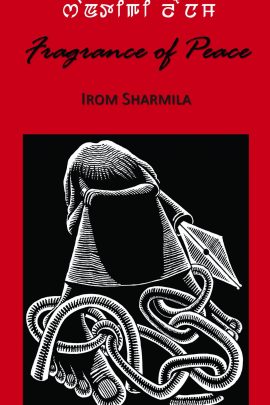
Fragrance of Peace
Select format This product has multiple variants. The options may be chosen on the product page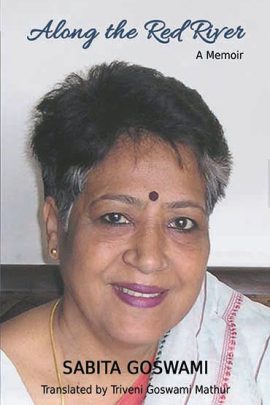
Along the Red River: A Memoir
Select format This product has multiple variants. The options may be chosen on the product page
Reviews
There are no reviews yet.